The Street: A Handwritten Font with Classy Calligraphic Influences
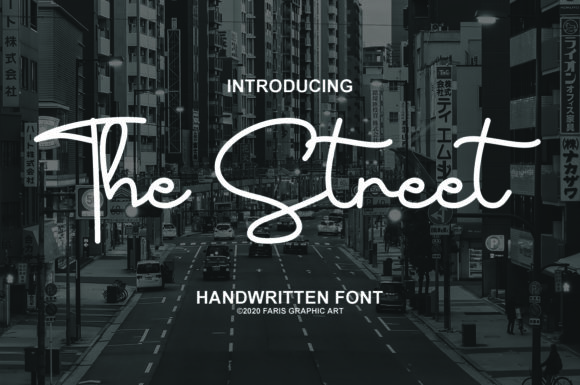
The Street is an elegant and flowing handwritten font that blends traditional calligraphic influences with a contemporary feel. Designed to offer both artistic flair and practicality, it features a varying baseline, smooth lines, gorgeous glyphs, and stunning alternates. As a PUA encoded font, users can easily access all of its glyphs and swashes, making it a versatile choice for creative projects.
For designers, typographers, and content creators, understanding when and how to use The Street can make a significant difference in the visual impact of their work. This article explores what The Street is, why it might be of interest, and the considerations involved in using it effectively.
What Is The Street?
The Street is a handwritten font that mimics the natural flow of handwriting while maintaining a polished aesthetic. It is designed with a focus on elegance and readability, ensuring that it remains legible even in more stylized applications. The font's varying baseline gives it a dynamic appearance, while its smooth lines and graceful curves contribute to its overall appeal.
As a PUA (Private Use Area) encoded font, The Street allows users to access additional characters and stylistic variations without needing special software or plugins. This makes it particularly useful for those who want to customize their typography without compromising on quality or ease of use.
Why Might Someone Be Interested in The Street?
There are several reasons why someone might be drawn to The Street. Its unique combination of calligraphic influences and modern design makes it suitable for a wide range of applications, from branding and marketing materials to editorial design and personal projects.
Designers who appreciate the artistry of hand-lettering may find The Street particularly appealing. Its ability to convey personality and emotion through typography can enhance the visual storytelling of any project. Additionally, the font's versatility allows it to be used in both digital and print formats, making it a valuable asset in a designer's toolkit.
Benefits of Using The Street
One of the primary benefits of The Street is its ability to add a sense of sophistication and uniqueness to any design. Unlike more generic sans-serif or serif fonts, The Street offers a distinctive look that can help a project stand out.
Another advantage is its adaptability. Whether used for headlines, body text, or decorative elements, The Street can be tailored to fit various design needs. The inclusion of alternate glyphs and swashes also provides opportunities for customization, allowing designers to create visually engaging compositions.
Additionally, the font's PUA encoding ensures that users have full access to its extended character set, which is especially useful for creating intricate designs or working with multiple languages.
Considerations and Tradeoffs
While The Street has many strengths, there are also some factors to consider before deciding to use it. One potential drawback is that its handwritten nature may not be as readable as more conventional fonts, particularly in smaller sizes or dense blocks of text. This means that it may not be the best choice for long-form content where clarity is essential.
Another consideration is that The Street requires a certain level of design expertise to use effectively. Because of its stylized appearance, it may need to be paired carefully with other fonts or used in specific contexts to avoid overwhelming the viewer.
Furthermore, due to its unique style, The Street may not be appropriate for every brand or audience. It works well for creative, expressive, or niche projects but may not align with the more formal or minimalist aesthetics of some industries.
Situations Where The Street Is a Strong Fit
The Street is ideally suited for projects that benefit from a touch of personality and originality. This includes branding for creative businesses, editorial layouts, invitations, and promotional materials. It can also be used in web design, particularly for headings, logos, or accent text where visual interest is desired.
In situations where a designer wants to evoke a sense of craftsmanship or individuality, The Street can be an excellent choice. Its calligraphic influences give it a timeless quality that can complement both traditional and modern design styles.
Situations Where Alternatives May Be Worth Considering
While The Street is a compelling option, there are instances where alternative fonts may be more appropriate. For example, if a project requires high readability across a wide range of devices and screen sizes, a more standardized font such as Helvetica or Arial may be a better choice.
Similarly, if the goal is to maintain a clean, professional appearance, a font with a simpler structure may be preferable. In these cases, it's important to weigh the visual impact of The Street against the functional requirements of the project.
For multilingual projects, it's also worth considering whether The Street supports the necessary characters or if another font would be more suitable.
Practical Decision-Making Insights
When evaluating whether The Street is right for a project, it's important to consider both the aesthetic goals and the practical requirements. Ask yourself: Does this font support the message I want to convey? Will it be readable in the intended context? Does it align with the brand identity or overall design direction?
It can also be helpful to experiment with different weights, pairings, and sizes to see how The Street performs in various scenarios. Testing it in real-world conditions—such as on a website or in a printed layout—can provide valuable insights into its effectiveness.
Ultimately, the decision to use The Street should be based on a careful assessment of its strengths and limitations in relation to the specific needs of the project. By doing so, designers can ensure that they are making informed choices that enhance rather than hinder their work.