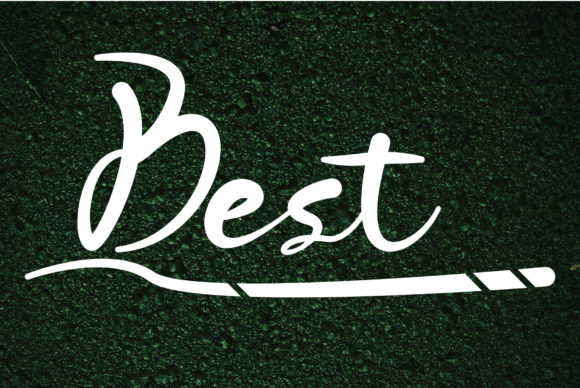
Best: A Sweet Handwritten Font with a Clean, Flowing Vibe
When it comes to choosing the right font for a design project, the options can feel overwhelming. From bold sans-serif fonts to intricate serif styles, each choice carries its own unique personality and purpose. However, one font that stands out in the crowd is Best. Known for its sweet, handwritten appearance, Best brings a clean, flowing, and smooth vibe to any design it's added to. Whether you're creating a logo, designing a website, or crafting marketing materials, Best offers a versatile and appealing option that can elevate your visual communication.
What Makes Best Unique?
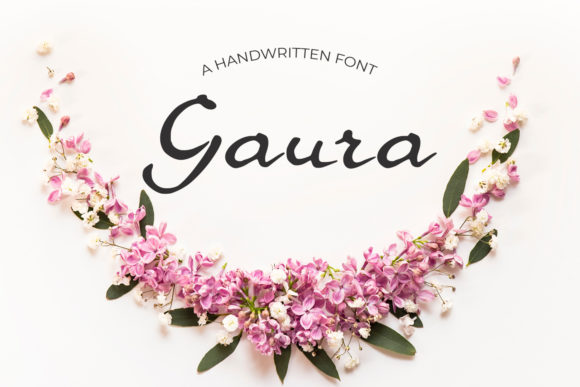
Best is more than just another font—it’s a blend of elegance and simplicity. Its handwritten style gives it a personal, human touch, while its clean lines ensure readability and professionalism. Unlike other cursive or script fonts that may appear cluttered or difficult to read, Best strikes a perfect balance between aesthetics and usability. The smooth curves and consistent stroke widths make it easy on the eyes, even when used in longer text passages.
This font is particularly well-suited for projects that require both charm and clarity. For example, it works beautifully in invitations, greeting cards, and branding materials where a friendly yet polished look is desired. Its versatility allows it to be used across various mediums, from print to digital, without losing its visual appeal.
How Does Best Compare to Similar Fonts?
While there are many handwritten fonts available, not all of them are created equal. Some fonts may look nice in isolation but struggle with legibility or consistency. When comparing Best to similar options, several key differences stand out:
- Legibility: Best maintains excellent readability even at smaller sizes, which is not always the case with other script fonts.
- Consistency: The uniformity of stroke thickness and spacing in Best ensures that text remains visually balanced, avoiding the uneven appearance often found in other handwritten fonts.
- Versatility: Best can be used for both short and long texts, making it a more practical choice compared to some decorative fonts that are best suited for headlines only.
Fonts like Brush Script MT or Copperplate Gothic are popular choices for handwritten styles, but they often lack the refinement and consistency that Best provides. While these alternatives may offer a more dramatic or ornate look, they can be harder to read in extended use. Best, on the other hand, offers a middle ground—retaining the warmth of a handwritten style while ensuring that the text remains clear and professional.
Strengths and Tradeoffs of Using Best
Like any font, Best has its strengths and limitations. Understanding these factors can help you decide whether it’s the right choice for your specific needs.
Strengths:
- Approachable Design: The soft, flowing curves of Best give it an approachable and friendly appearance, which is ideal for brands targeting younger audiences or those looking to convey warmth and sincerity.
- Professional Appearance: Despite its handwritten feel, Best retains a level of professionalism that makes it suitable for business-related materials such as reports, presentations, and even corporate branding.
- Wide Range of Applications: From wedding invitations to social media graphics, Best can be adapted to a variety of design contexts without compromising its aesthetic value.
Potential Limitations:
- Not Ideal for All Contexts: While Best excels in designs that benefit from a personal touch, it may not be the best fit for highly technical or formal documents where a more traditional font would be more appropriate.
- Font Licensing: As with any premium font, users should be mindful of licensing agreements to ensure that they are using Best in compliance with the terms of use, especially if they’re working on commercial projects.
When Is Best the Right Choice?
Choosing the right font depends largely on the context of the project. Best is particularly well-suited for situations where a warm, inviting, and slightly playful tone is desired. Here are a few examples of when Best might be the ideal choice:
- Personalized Invitations: Whether it's a wedding invitation, birthday card, or event announcement, Best adds a charming, handcrafted feel that can make the message feel more personal.
- Branding Materials: Brands that want to convey friendliness and approachability can benefit from using Best in logos, taglines, or promotional materials.
- Social Media Graphics: The clean and flowing style of Best makes it a great fit for social media posts, especially those aimed at younger demographics who appreciate a more casual and stylish look.
However, if the project requires a more formal or technical tone, such as legal documents, financial reports, or scientific papers, a different font would likely be more appropriate. In these cases, a sans-serif or serif font with a more structured appearance would better serve the purpose.
Real-World Examples and Practical Comparisons
To illustrate how Best performs in real-world scenarios, consider the following comparisons:
Example 1: Wedding Invitation vs. Traditional Script Font
A wedding invitation designed with Best will have a soft, elegant look that feels personal and heartfelt. In contrast, a traditional script font like Edwardian Script may appear more ornate and less readable, especially when used for longer text. Best offers a cleaner alternative that still maintains the romantic feel of a handwritten letter.
Example 2: Brand Logo vs. Sans-Serif Font
For a brand that wants to convey warmth and approachability, using Best in a logo can create a strong emotional connection with the audience. However, if the brand is in a more formal industry, such as finance or law, a sans-serif font like Helvetica or Arial would be a more suitable choice.
Example 3: Social Media Post vs. Bold Display Font
On platforms like Instagram or Pinterest, Best can add a stylish and modern flair to captions or graphic overlays. It complements the visual nature of these platforms better than a bold display font, which might come off as too rigid or overpowering.
Final Thoughts on Choosing Best
In conclusion, Best is a thoughtful and versatile font that offers a unique combination of style and functionality. Its clean, flowing design makes it ideal for a wide range of applications, from personal communications to professional branding. However, like any design element, it’s important to consider the context and purpose of the project before making a final decision.
Whether you're looking for a font that adds a personal touch to your work or a professional yet approachable style for your brand, Best is definitely worth considering. By understanding its strengths and limitations, you can make a more informed choice that aligns with your creative goals and audience expectations.