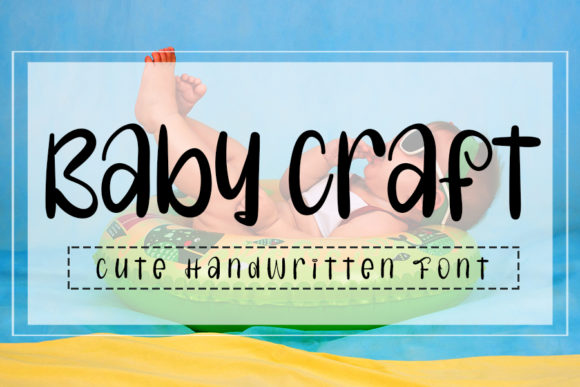
Baby Craft: A Sweet Handwritten Font for Creative Projects
Baby Craft is a charming, handwritten font that brings a sense of warmth and playfulness to any design. Its soft curves and delicate strokes evoke the innocence and joy associated with babies, making it an ideal choice for creative projects that aim to capture attention and convey emotion. Whether you're designing inspirational wall posters or crafting brand communications, Baby Craft can add a unique personality to your work.
Handwritten fonts like Baby Craft are often chosen for their ability to create a personal connection with the viewer. Unlike more formal or structured typefaces, Baby Craft feels more approachable and human. This makes it particularly effective in contexts where the goal is to communicate care, creativity, or a sense of community.
Understanding Baby Craft and Its Unique Features
Baby Craft is designed to mimic the look of actual handwriting, complete with subtle imperfections that give it a natural feel. These small variations in stroke width and letter formation make each piece of text appear more organic and less mechanical. The font's overall style is gentle and whimsical, which aligns well with themes related to childhood, nurturing, and creativity.
The font's versatility allows it to be used across a wide range of media, including print, digital displays, and social media platforms. It works especially well for projects that require a touch of elegance combined with a friendly tone, such as baby shower invitations, nursery decor, or even branding for businesses that focus on children's products.
Challenges and Goals When Using Baby Craft
While Baby Craft offers many benefits, there are certain challenges to consider when using it in design projects. One common issue is legibility, especially when using the font for extended text. Because of its handwritten nature, some letters may be harder to read at smaller sizes or in low-resolution formats. Designers should ensure that the font is used appropriately, balancing aesthetics with readability.
Another challenge is ensuring consistency in the use of Baby Craft across different platforms. Since it is a handwritten font, slight variations in how it appears on different screens or devices can occur. To mitigate this, designers should test the font in various environments before finalizing a project.
Despite these challenges, the goals of using Baby Craft are clear: to enhance visual appeal, foster emotional connections, and support creative expression. For many users, the primary objective is to create content that feels personal and engaging, which Baby Craft helps achieve through its unique character.
Practical Applications of Baby Craft
Baby Craft can be applied in numerous ways to suit different creative needs. One popular use is in the creation of inspirational wall posters. The font's playful yet elegant style makes it perfect for motivational quotes or phrases that celebrate life, love, and growth. When paired with soft colors and simple backgrounds, Baby Craft can transform a plain wall into a space filled with personality and charm.
For branding purposes, Baby Craft can help establish a warm and inviting identity. Businesses that cater to parents, children, or those who appreciate a more whimsical aesthetic can benefit from incorporating Baby Craft into logos, packaging, or promotional materials. The font's ability to convey a sense of care and creativity can resonate strongly with target audiences.
In addition to these uses, Baby Craft is also well-suited for digital content such as blog posts, social media updates, and email newsletters. Its casual and friendly appearance can help brands appear more relatable and authentic. When used sparingly, Baby Craft can draw attention to key messages without overwhelming the reader.
How Different Users Approach Baby Craft
Depending on their goals and preferences, different users may approach Baby Craft in varied ways. Some may choose to use it as the primary font for their entire project, while others might incorporate it as an accent to complement a more traditional typeface. The key is to find a balance that enhances the message being conveyed without sacrificing clarity or professionalism.
Designers working on baby-related products, such as clothing, toys, or educational materials, may lean heavily on Baby Craft to reinforce the theme. In contrast, those creating content for broader audiences might use it selectively to highlight specific elements, such as headings or call-out sections.
For individuals looking to express themselves creatively, Baby Craft can be a powerful tool for personal projects. Whether it's designing custom greeting cards, creating art pieces, or sharing thoughts on social media, the font adds a unique flair that sets the work apart.
Considerations for Using Baby Craft Effectively
To get the most out of Baby Craft, it's important to consider several factors. First, think about the context in which the font will be used. Will it be for short, impactful messages or longer blocks of text? If the latter, it may be better to pair Baby Craft with a more readable sans-serif font for body text.
Color choices also play a role in how Baby Craft is perceived. Light pastel shades can enhance the font's soft and gentle appearance, while bold colors may add energy and vibrancy. Experimenting with different color combinations can help determine what works best for a particular project.
Finally, don't forget to respect the font's limitations. While Baby Craft is versatile, it's not suitable for all types of content. Avoid using it for technical documents or anything that requires high levels of precision. Instead, reserve it for creative and expressive purposes where its unique qualities can shine.
By understanding the strengths and weaknesses of Baby Craft, designers and creators can use it effectively to achieve their desired outcomes. Whether it's for branding, personal projects, or digital content, Baby Craft has the potential to bring a delightful and memorable touch to any creative endeavor.