Greatwoods: A Bold and Thick Lettered Blackletter Font for Impactful Design
When it comes to typography, the right font can make all the difference in how your message is received. Greatwoods is a bold and thick lettered blackletter font that brings a sense of strength, tradition, and visual weight to any design project. Whether you're creating logos, branding materials, or even digital content, this font has the potential to elevate your work significantly. However, like any tool, it's important to use it correctly to avoid common pitfalls that can undermine its effectiveness.
What Is Greatwoods?
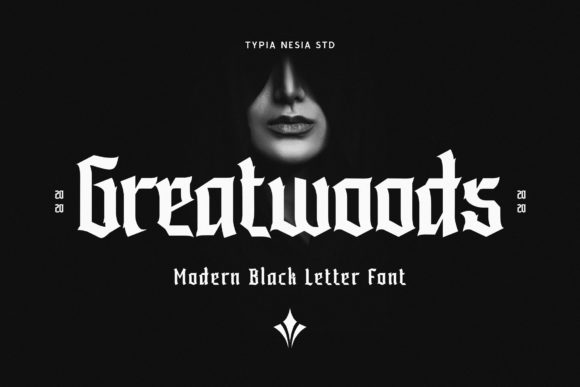
Greatwoods is a blackletter font characterized by its thick strokes, intricate details, and strong visual presence. It belongs to the broader category of Gothic or Old English fonts, which are often associated with historical documents, medieval manuscripts, and high-impact branding. Its boldness makes it ideal for headlines, titles, and other elements where emphasis is needed.
Designers, marketers, and creators who want to add a touch of authority, elegance, or nostalgia to their projects often turn to fonts like Greatwoods. It's particularly useful for businesses that aim to convey a sense of heritage, craftsmanship, or traditional values.
Why People Are Interested in Greatwoods
The appeal of Greatwoods lies in its ability to stand out. In a world filled with clean, minimalist fonts, Greatwoods offers a striking contrast. It's especially popular among:
- Brand designers looking to create memorable logos
- Bloggers and content creators aiming to enhance the visual hierarchy of their posts
- Print and packaging designers who need a font that commands attention
- Historical or educational content creators who want to evoke a sense of timelessness
Its versatility also makes it suitable for both digital and print media. From website headers to packaging labels, Greatwoods can be adapted to suit a wide range of applications.
Common Mistakes When Using Greatwoods
While Greatwoods is a powerful font, it's not without its challenges. Here are some common mistakes people make when using it:
Mistake 1: Overusing It
One of the most frequent errors is using Greatwoods too frequently or on too many elements within a design. This can lead to visual clutter and reduce readability. Remember, Greatwoods is best used sparingly—typically for headings or key messages rather than body text.
Better Approach: Reserve Greatwoods for headlines, titles, or call-to-action buttons. Pair it with a more readable sans-serif or serif font for body text to maintain balance and legibility.
Mistake 2: Ignoring Legibility
Because of its thick strokes and ornate details, Greatwoods can be difficult to read at smaller sizes. Many users overlook this and apply it to small text elements, such as footnotes or captions, where it becomes nearly illegible.
Better Approach: Always test Greatwoods at different sizes before finalizing your design. If possible, use it only for larger text elements where its visual impact is intended.
Mistake 3: Not Matching It With the Right Color
The thickness and darkness of Greatwoods can make it challenging to pair with certain colors. For example, using it on a dark background with a dark font color may result in poor contrast and reduced visibility.
Better Approach: Use light-colored backgrounds or high-contrast color combinations when applying Greatwoods. White or light gray text on a dark background works well, as does black text on a white or light-colored background.
Mistake 4: Misjudging the Style Fit
Greatwoods has a distinct style that may not be appropriate for every project. Using it in a modern, tech-driven context, for instance, could feel out of place and even unprofessional.
Better Approach: Consider the overall theme and tone of your project before choosing Greatwoods. It works best in contexts that align with its historical, traditional, or authoritative aesthetic.
What to Check Before Using Greatwoods
Before incorporating Greatwoods into your design, there are several factors to consider:
- Legibility: Ensure that the font remains readable at the size and placement you intend to use it.
- Contrast: Check that the font color contrasts well with the background to ensure visibility.
- Style Consistency: Make sure the font complements the overall style and tone of your project.
- Licensing: Confirm that you have the proper license to use Greatwoods for your intended purpose, whether it's personal, commercial, or web-based.
Conclusion
Greatwoods is a bold and thick lettered blackletter font that can greatly enhance your design work if used wisely. By avoiding common mistakes and considering key factors like legibility, contrast, and style fit, you can ensure that your use of Greatwoods adds value rather than detracts from your message. Whether you're a designer, marketer, blogger, or entrepreneur, taking the time to understand how to best utilize this font will help you achieve professional, impactful results.