Rofesha: A Bold Sans Serif Font for Modern Branding and Web Design
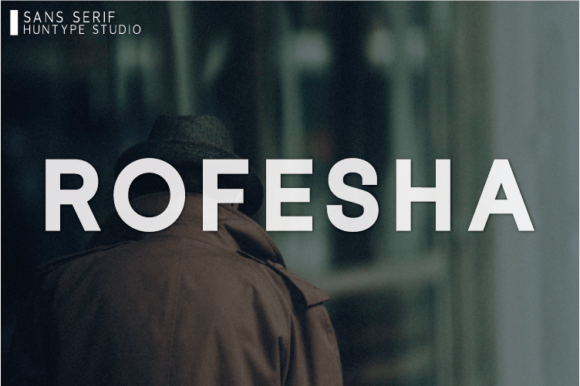
Rofesha is a bold and thick lettered sans serif font that has been gaining popularity among designers, marketers, and developers. With its clean lines and striking presence, Rofesha is not just a font—it’s a design choice that can influence the way users perceive a brand or website. Whether you're creating a logo, designing a website header, or working on a marketing campaign, understanding how to use Rofesha effectively can elevate your visual communication.
The font's simplicity belies its versatility. Its bold weight makes it ideal for headings, while its clean structure ensures readability across various platforms and screen sizes. This article explores the characteristics of Rofesha, its practical applications, and how it compares to other similar fonts in the design world.
Understanding the Characteristics of Rofesha
Rofesha is defined by its bold and thick letterforms, which give it a strong visual impact. Unlike more traditional sans serif fonts such as Arial or Helvetica, Rofesha features heavier strokes and more pronounced geometric shapes. These attributes make it particularly well-suited for situations where a powerful statement needs to be made visually.
One of the most notable aspects of Rofesha is its balance between strength and clarity. Despite its thickness, the font maintains a level of legibility that is essential for both print and digital media. The spacing between letters (known as tracking) is carefully optimized to prevent overcrowding, ensuring that even long text blocks remain easy to read.
The font also includes a range of weights and styles, allowing designers to adapt it to different contexts. From light variations for subtle accents to extra bold versions for emphasis, Rofesha offers flexibility without compromising its core identity.
Practical Applications of Rofesha
Rofesha's unique aesthetic makes it suitable for a wide array of design projects. One of its primary uses is in branding, where it can serve as the foundation for logos, business cards, and packaging. Its boldness conveys authority and confidence, making it an excellent choice for companies looking to establish a strong visual identity.
In web design, Rofesha is commonly used for headings and titles. Its high contrast against background colors ensures that important information stands out. For example, a news website might use Rofesha for headline text to draw attention to key stories. Similarly, a tech startup could use it for their website's hero section to create an immediate impact.
Another area where Rofesha shines is in presentation design. Whether it's a PowerPoint slide, a poster, or an infographic, the font's clean lines and strong presence help maintain visual hierarchy and focus. It works especially well when paired with minimalist layouts that emphasize content over decoration.
Use Cases Across Different Industries
In the fashion industry, Rofesha can be used to create eye-catching storefront signs or product labels. Its bold style aligns well with the trend-driven nature of fashion, where visual appeal is crucial.
For educational institutions, Rofesha can be employed in promotional materials such as brochures, flyers, and event posters. Its readability ensures that important details like dates, times, and locations are clearly communicated.
Business owners often use Rofesha for signage and branding materials because of its ability to convey professionalism and reliability. In retail environments, for instance, it can be used for store names, window displays, and advertisements.
Advantages of Using Rofesha
There are several reasons why Rofesha is becoming a preferred choice among designers and developers. One of the main advantages is its adaptability. Unlike some fonts that are limited to specific use cases, Rofesha can be used in a variety of formats and mediums without losing its effectiveness.
Another benefit is its compatibility with modern web standards. Rofesha is optimized for digital screens, ensuring that it remains sharp and legible at different resolutions. This makes it an excellent choice for websites, mobile apps, and other digital platforms.
Additionally, Rofesha supports multilingual characters, making it accessible to a global audience. Whether you're designing for English-speaking markets or international audiences, the font can accommodate a wide range of languages and scripts.
Comparisons with Similar Fonts
When compared to other bold sans serif fonts like Montserrat or Roboto Bold, Rofesha offers a distinct visual identity. While Montserrat has a more rounded appearance, Rofesha's angular edges give it a more structured and formal look. This difference makes Rofesha better suited for professional and corporate settings.
Roboto Bold, on the other hand, is known for its modern and approachable feel. However, it lacks the same level of boldness and geometric precision that Rofesha provides. As a result, Rofesha may be more appropriate for designs that require a stronger visual impact.
Despite these differences, all three fonts share common traits such as legibility, scalability, and versatility. Choosing between them ultimately depends on the specific needs of the project and the desired visual outcome.
Considerations When Using Rofesha
While Rofesha is a powerful tool for design, there are certain considerations that should be taken into account before using it. One important factor is the context in which the font will be used. Because of its boldness, Rofesha may not be the best choice for small text or low-contrast backgrounds. In such cases, a lighter font may be more appropriate.
Another consideration is the pairing of Rofesha with other fonts. To maintain visual harmony, it's recommended to pair it with complementary fonts that have a more delicate or contrasting style. For example, a thin serif font could provide a nice contrast to Rofesha's boldness, creating a balanced and aesthetically pleasing composition.
Finally, it's important to ensure that Rofesha is licensed for the intended use. Depending on the platform or medium, certain restrictions may apply regarding font usage. Always check the licensing agreement before incorporating Rofesha into a commercial project.
Best Practices for Incorporating Rofesha
To get the most out of Rofesha, it's essential to follow some best practices. First, use it sparingly to avoid overwhelming the viewer. Since it's a bold font, it should be reserved for key elements such as headings, titles, and call-to-action buttons.
Second, pay attention to color contrast. Rofesha works best when paired with high-contrast colors. For instance, using it on a white background with black text ensures maximum readability and visual impact.
Lastly, consider the overall design layout. Rofesha should complement the rest of the design rather than compete with it. By maintaining a cohesive visual language, you can create a more effective and aesthetically pleasing composition.