Xavier Eskimo: A Stylish and Delicate Font for Modern Design
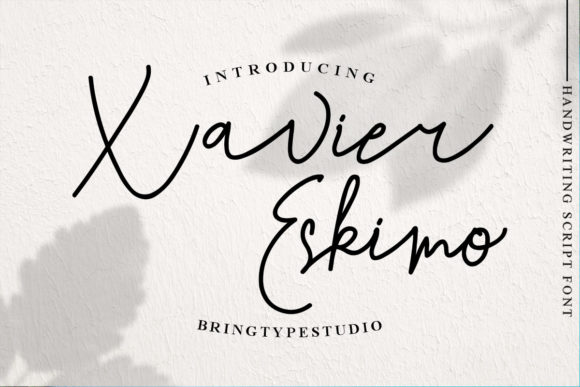
Xavier Eskimo is a font that stands out in the world of typography with its clean, thin, and smooth aesthetic. Designed to offer a delicate yet sophisticated feel, it's becoming a popular choice among designers looking to add elegance to their projects. Whether you're creating a logo, designing a website, or working on print materials, Xavier Eskimo provides a unique visual appeal that can enhance your overall design.
Understanding the Characteristics of Xavier Eskimo
Xavier Eskimo is defined by its minimalist approach to letterforms. The font features fine strokes and subtle curves that give it a soft and elegant appearance. This makes it particularly well-suited for designs that require a touch of refinement without overwhelming the viewer.
The font’s thinness allows it to maintain a sense of lightness, which can be especially effective when used in headings or titles. Its smooth lines ensure readability while still maintaining an artistic flair. These characteristics make Xavier Eskimo a versatile option for a wide range of applications.
What Sets Xavier Eskimo Apart?
One of the key differentiators of Xavier Eskimo is its ability to blend seamlessly into both modern and traditional design contexts. Unlike some fonts that are either too ornate or too simple, Xavier Eskimo strikes a balance between the two. It offers enough detail to appear stylish but remains uncluttered enough to be practical for everyday use.
Another notable feature is its adaptability. The font works well in both digital and print formats, making it suitable for various mediums. This flexibility ensures that designers can use it across multiple platforms without worrying about how it will render in different environments.
Comparing Xavier Eskimo with Similar Fonts
When considering alternatives to Xavier Eskimo, it's important to evaluate other fonts that share similar characteristics. Fonts such as Arial, Helvetica, and Verdana are often compared due to their clean and legible styles. However, these fonts tend to be more utilitarian, lacking the delicate and refined qualities that Xavier Eskimo offers.
Fonts like Garamond and Cambria are also frequently mentioned in discussions about elegant typefaces. While they provide a more traditional look, they may not be as suitable for contemporary designs where a sleeker appearance is desired. Xavier Eskimo bridges this gap by combining the best elements of both classic and modern typography.
Evaluating Strengths and Tradeoffs
The primary strength of Xavier Eskimo lies in its ability to convey sophistication without being overly complex. This makes it ideal for branding efforts, editorial design, and user interface elements where clarity and aesthetics must coexist.
However, there are certain tradeoffs to consider. Because of its thin strokes, Xavier Eskimo may not be the best choice for small text sizes or low-resolution displays. In these cases, the fine details could become less visible, potentially affecting readability.
Additionally, while the font is highly versatile, it may not be appropriate for every design context. For instance, in situations where boldness or emphasis is required, a heavier or more contrasting font might be a better fit.
Best-Fit Situations for Xavier Eskimo
Xavier Eskimo shines in scenarios where a delicate and elegant font is needed. Some of the most common use cases include:
- Brand Identity: The font can be used in logos, business cards, and promotional materials to create a refined brand image.
- Web Design: Its clean lines and smooth curves make it suitable for websites that aim to project a professional yet approachable vibe.
- Editorial Design: In magazines, books, or newsletters, Xavier Eskimo adds a touch of sophistication to headlines and subheadings.
- User Interfaces: When designing interfaces for apps or software, the font can contribute to a more polished and user-friendly experience.
These examples illustrate how Xavier Eskimo can be effectively integrated into various design projects. However, it's essential to assess each project's specific requirements before deciding on the font.
When to Consider Alternatives
While Xavier Eskimo is an excellent choice for many design applications, there are instances where another font may be more appropriate. For example, if a project requires high contrast or boldness, a font with bolder strokes would be more suitable. Similarly, in environments where legibility is paramount—such as signage or mobile interfaces—choosing a font with more pronounced features could be necessary.
Designers should also consider the target audience when selecting a font. If the audience prefers a more traditional or formal look, a font with more classical characteristics might be preferable. Conversely, if the goal is to create a modern and innovative feel, Xavier Eskimo could be the right choice.
Practical Examples and Real-World Applications
To better understand how Xavier Eskimo can be applied in real-world scenarios, let's examine a few practical examples:
Example 1: Brand Logo
A boutique clothing store aiming to establish a luxurious brand identity might choose Xavier Eskimo for its logo. The font's delicate nature aligns with the brand's upscale positioning, creating a cohesive and elegant visual identity.
Example 2: Website Headlines
For a lifestyle blog focusing on wellness and self-care, using Xavier Eskimo in headlines can help create a calming and inviting atmosphere. The font's smooth curves and clean lines contribute to a visually appealing layout.
Example 3: Magazine Layout
In a fashion magazine, Xavier Eskimo can be used for section headers and captions. Its refined appearance complements the magazine's content while ensuring readability and visual harmony.
These examples demonstrate how Xavier Eskimo can be effectively utilized in various design contexts. However, it's crucial to match the font with the overall design goals and audience expectations.
Key Decision Factors for Choosing Xavier Eskimo
When evaluating whether Xavier Eskimo is the right font for a project, several factors should be considered:
- Design Goals: Determine what the overall design aims to communicate. If elegance and sophistication are key, Xavier Eskimo may be an ideal choice.
- Target Audience: Understand who the design is intended for. Different audiences may respond differently to various typographic styles.
- Medium and Format: Consider the platform where the font will be used. Ensure that it renders well across different devices and resolutions.
- Project Requirements: Assess the specific needs of the project, including readability, legibility, and visual impact.
By carefully evaluating these factors, designers can make informed decisions about whether Xavier Eskimo is the best fit for their projects.