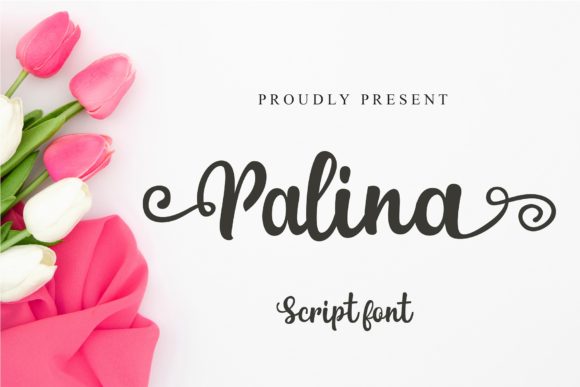
Palina: A Timeless Handwritten Font for Strategic Design and Communication
Palina is a handwritten font that stands out for its delicate, elegant, and timeless aesthetic. Designed with precision and care, it captures the essence of human handwriting while maintaining a level of consistency and readability that makes it ideal for a wide range of design applications. Whether you're crafting wedding invitations, creating branding materials, or designing greeting cards, Palina offers a unique visual appeal that can elevate your projects and convey a sense of personal touch and authenticity.
The Strategic Value of Palina in Design and Communication
In an era where digital communication dominates, the use of a handwritten font like Palina can serve as a powerful differentiator. It adds warmth, personality, and a human element to otherwise sterile or impersonal designs. This can be especially valuable in contexts where emotional connection and personalization are key—such as in marketing, branding, or customer engagement strategies.
For professionals, entrepreneurs, and creatives, incorporating Palina into their visual identity can help build stronger brand recognition and foster trust with audiences. The font’s soft curves and balanced structure make it versatile enough to be used across various platforms, from print to digital media, ensuring that your message remains consistent and impactful.
When to Use Palina for Maximum Impact
Palina shines in situations where a personal, handcrafted feel is desired. Here are some strategic scenarios where using Palina could enhance your outcomes:
- Wedding Invitations and Event Materials: Palina’s delicate style complements the romantic and celebratory nature of weddings, making it an excellent choice for invitations, programs, and thank-you notes.
- Business Cards and Branding: A well-designed business card featuring Palina can leave a lasting impression on potential clients or partners, reinforcing your brand’s personality and values.
- Greeting Cards and Stationery: Whether for birthdays, holidays, or personal messages, Palina adds a thoughtful and elegant touch that can make your greetings more memorable.
- Quotes and Inspirational Content: Palina’s flowing script works beautifully with motivational quotes, affirmations, or inspirational messages, enhancing their emotional resonance.
- Logos and Website Elements: When used sparingly and thoughtfully, Palina can add character to logos or website headers without compromising legibility or professionalism.
Strategic Considerations for Using Palina
While Palina is visually appealing, its effectiveness depends on how it's applied. Thoughtful planning and clear goals are essential to ensure that it serves your intended purpose rather than becoming a distraction.
Define Your Purpose: Before using Palina, consider what message you want to convey. Is it to create a warm, approachable brand image? Or to add a personal touch to a specific project? Clarifying your objective will guide your design choices and ensure alignment with your overall strategy.
Consider Readability and Context: While Palina is designed to be readable, its handwritten nature means it may not be suitable for all text types. Avoid using it for long paragraphs or dense blocks of information where clarity is crucial. Instead, reserve it for headings, short phrases, or decorative elements.
Balance with Other Fonts: Pairing Palina with a complementary sans-serif or serif font can create visual harmony and improve overall readability. This is particularly important in digital formats where screen legibility is a concern.
Practical Tips for Incorporating Palina Into Your Workflow
If you're new to using Palina or looking to integrate it more effectively into your design process, here are some practical tips:
- Test It in Different Sizes and Colors: Experiment with varying sizes and color schemes to see how Palina performs in different contexts. This will help you determine the best way to use it for your specific needs.
- Use It Sparingly: Overusing Palina can dilute its impact and make your design look cluttered. Apply it selectively to emphasize key elements or create visual interest without overwhelming the viewer.
- Pair It with High-Quality Images or Backgrounds: To maintain a polished look, pair Palina with clean, high-quality images or backgrounds that complement its aesthetic. This ensures that your design remains professional and cohesive.
- Ensure Consistency Across Platforms: If you're using Palina in both print and digital formats, ensure that it maintains the same visual quality and appearance across all mediums. This helps reinforce brand recognition and ensures a seamless user experience.
Possible Risks of Misusing Palina
While Palina can be a powerful tool when used correctly, there are risks associated with its misuse. One common pitfall is applying it inappropriately, such as using it for lengthy text or in contexts where it doesn't align with the overall tone or message.
Another risk is over-reliance on Palina without considering other design elements. This can lead to a lack of visual balance and potentially confuse or alienate your audience. It’s important to use Palina as part of a broader design strategy rather than as a standalone feature.
Additionally, if you're using Palina in a professional setting, such as for corporate branding or official communications, it's crucial to ensure that it aligns with your organization’s established visual identity. Deviating too far from existing brand guidelines can result in inconsistency and weaken your brand’s presence.
How to Use Palina Intentionally
To use Palina intentionally, start by aligning its application with your strategic goals. Ask yourself: What do I want this design to achieve? How does Palina contribute to that goal? By answering these questions, you can ensure that your use of Palina is purposeful and effective.
Consider conducting a quick audit of your current design assets to see where Palina might fit naturally. For example, if you're redesigning your website, you might use Palina for your call-to-action buttons or hero section headlines to draw attention and create a more engaging user experience.
Finally, don’t be afraid to seek feedback from others. Sometimes an outside perspective can help you identify areas where Palina might be underutilized or overused. This collaborative approach can lead to better decision-making and more successful outcomes.
By integrating Palina thoughtfully into your design strategy, you can enhance your communication, strengthen your brand, and create more meaningful connections with your audience. The key is to use it with intention, ensuring that every instance of Palina serves a clear purpose and contributes to your overall goals.